Entry visas valid for three months have been reinstated in Kuwait as part of a broader effort by the General Directorate of Residency Affairs to ease Covid-19 restrictions. Fully vaccinated individuals are exempted from pre- and on-arrival tests and quarantine requirements. In response to the spread of a new strain of COVID-19, entry into Saudi Arabia from 13 countries is restricted to residents of Saudi Arabia who have received two doses of a Covid-19 vaccine within Saudi Arabia prior to their travel. Health workers, diplomats and Saudi nationals, and their families are exempt from the restriction but may still be required to complete a period of home quarantine and PCR tests on arrival.

For all other travellers, including those who have visited or transited through one of the countries listed above in the 14 days prior to entering Saudi Arabia, travel to Saudi Arabia from these countries remains suspended. If you're planning to travel to Saudi Arabia via the causeway from Bahrain, you should check the terms of your Saudi visa before travelling. Saudi visas may only allow for entry into the country by air and may prevent you from entering across a land border including via the causeway from Bahrain.

How Many Countries Are Banned In Saudi Arabia British residents in Saudi Arabia will need a valid exit or re-entry permit from the Saudi Minis-try of Interior to leave and re-enter the country. All travellers must provide a negative PCR test certificate issued from a verified laboratory that does not exceed 48 hours from the time the test is undertaken until their departure to the Kingdom. All visitors must fill out the Registration Immunization Information Form before travelling to the Kingdom. Recently updated rules for people entering the country by air also apply to arrivals via the country's land borders. New rules remove the requirement for PCR tests for fully vaccinated travellers, with only a vaccine certificate necessary on arrival. The national committee to combat Covid-19 advised travellers arriving at land ports to undergo a PCR test within 24 hours of arriving in the UAE, specifically for individuals who plan to stay for over 72 hours.

The government in Iraq will start easing Covid restrictions for travellers departing from and arriving in the country. New measures due to take effect on 1 April will remove the mandate for a PCR test for vaccinated passengers, with only a Covid-19 vaccine certificate required instead. Individuals who cannot take a vaccine due to health reasons must present a health ministry-certified medical report and a negative PCR test to travel. Saudi Arabian citizens who did not receive their second Covid-19 vaccine within the past three months must have a booster dose before travelling outside the country under new rules that took effect on 9 February. Individuals travelling to the kingdom must present a Covid-19 test taken 48 hours before departure. Fully vaccinated citizens who test negative will be allowed to enter the country seven days after a positive PCR test without needing to test again.

All non-Canadian travellers from Mozambique, South Africa, Botswana, Zimbabwe, Lesotho, and Eswatini, will not be allowed to enter the country. Canadian citizens, permanent residents travelling from above mentioned countries must follow strict protocols. Negative test reports before departure and upon arrival are must.

Currently, vaccinated international travellers can present a negative result obtained within three days from their point of departure. The new one-day testing requirement would apply to US citizens as well as foreign nationals. Saudi nationals, health workers, diplomats, and their families continue to be exempt from the travel ban but may be required to complete a period of quarantine and PCR tests on arrival.

The suspension of all international flights to/from Saudi Arabia is extended until further notice. The Saudi authorities have introduced an online registration system to facilitate the repatriation of expatriates holding exit/re-entry or final exit visas to their home countries. Approved residents will receive an SMS with available dates and will be able to purchase flight tickets. Departures will take place through Riyadh-based King Khalid International Airport, Jeddah-based King Abdulaziz International Airport and Dammam-based King Fahd International Airport. Israel is one of the first countries to close its borders for travel since the outbreak of the new variant.

All international travellers are barred from entering the country. On the other hand, India has not imposed any travel ban for flights from the affected region. The Japanese government imposed quarantine rules for Japanese nationals arriving from Eswatini, Zimbabwe, Namibia, Botswana, South Africa and Lesotho.

Such travellers will have to be isolated at government-dedicated accommodations for 10 days and take three COVID-19 tests during that time. International commercial flights to Oman have now resumed for passengers from all countries. Most travellers must present a negative pre-travel PCR test certificate.

Fully vaccinated passengers must provide a proof of having received the final vaccine dose at least 14 days prior to entry, but are exempt from the pre-travel test requirement. All passengers eligible to enter Philippines must present a negative result of a RT-PCR test taken within 48 hours prior to departure or a negative result of a rapid antigen test taken no more than 24 hours before departure. Those who are unable to submit their vaccination proof may be required to undergo post-arrival Covid-19 test. Fully vaccinated travellers including tourists coming from visa-free countries, are not required to quarantine. Those who are unable to submit an accepted proof of vaccination need to quarantine for 14 days (initially at an institution and then move to home/accomodation quarantine after receiving a negative result on a test taken on day 5). In response to the new strain of COVID-19, on December 27, the government of Saudi Arabia announced a one-week extension of its travel-related restrictions.

The restrictions, originally announced on December 21, extended the suspension, except in exceptional cases, of all international flights for travelers, including entry to the Kingdom through land and sea ports. If you are a resident of a country that is not on the list of safe countries and fully vaccinated, you can be exempted from the EU entry ban. Under this exemption you can enter the Netherlands if you have validproof of vaccination showing that you have been fully vaccinated with a vaccine approved by the European Medicines Agency or the World Health Organization . The official validity period of a proof of vaccination is 270 days after the last dose of the primary vaccination cycle.

After receiving a booster dose the proof of vaccination will be valid again. An EU entry ban is in effect for people from countries outside the European Union/Schengen area. There are exemptions to the entry ban, for example for people travelling from a safe country or people with proof of vaccination or proof of recovery. This proof of vaccination or recovery must meet certain requirements.

From 23 March 2022 people travelling to the Netherlands no longer need to show a negative test result. Exemptions are permitted for those who booked a test on arrival before the extension of the rules and if the arrival date does not exceed 72 hours from the extension. Pre-departure and post-arrival PCR tests and home quarantine will no longer be required for arriving passengers who have received three shots of a Kuwaiti-authorised vaccine. Double-jabbed arrivals will be exempted from the pre-departure PCR test, but must quarantine for seven days after entering the country. This quarantine period may end at any time if they present a negative PCR test. Visitors coming from countries with standard health measures must submit a negative pre-travel PCR lab result with a validity of 48 hours from departure time at the country of origin.

Fully vaccinated or recovered visitors are exempted from quarantine. Unvaccinated visitors must quarantine for five days in a hotel or with first-degree relatives whose proof of residence is provided. Imposed an entry ban on all foreign nationals from any country affected by coronavirus, including China, effective March 10 . Saudi Arabia will impose a three-year travel ban on citizens travelling to countries on the kingdom's 'red list' in efforts to curb the spread of coronavirus and its new variants, state news agency SPA said on Tuesday. The kingdom gradually eased restrictions throughout 2021, first resuming international flights and then allowing vaccinated citizens to travel abroad. However, they instituted more travel bans in December due to the emergence of the Omicron variant.
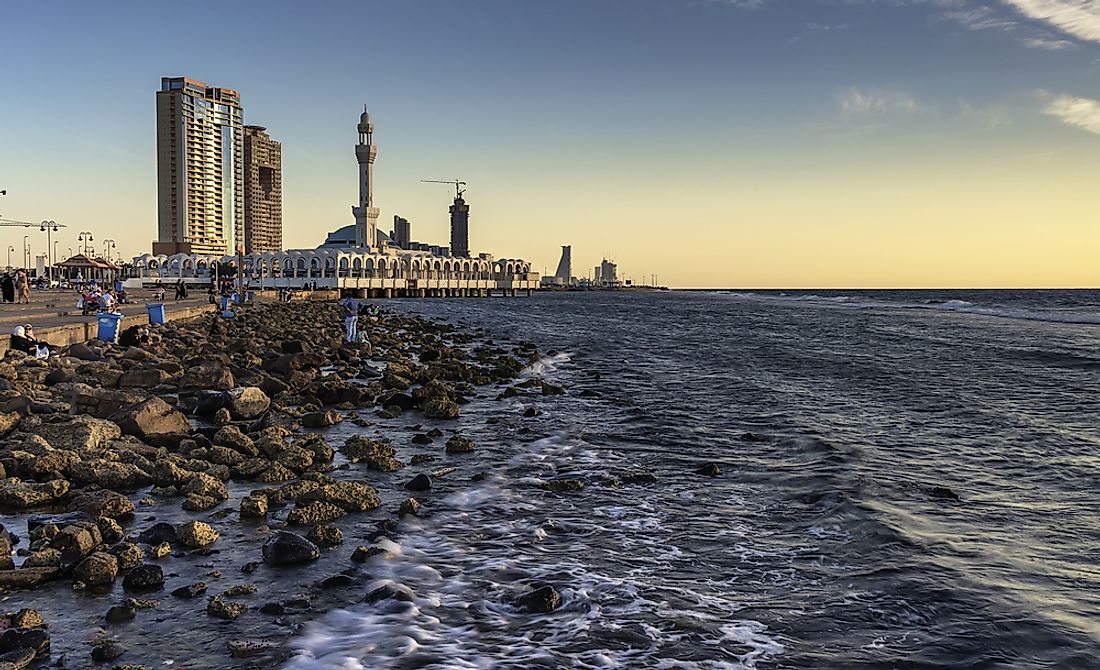
LONDON, July Saudi Arabia will impose a three-year travel ban on citizens travelling to countries on the kingdom's 'red list' under efforts to curb the spread of coronavirus and its new variants, state news agency SPA said on Tuesday. Saudi citizens are prohibited from international travel if they have not received their second dose of a COVID-19 vaccine. Authorities will also impose a three-year travel ban on citizens traveling to so-called 'red list' countries from which Saudi nationals are prohibited from traveling.

International flights and sea routes were suspended on 15 March. From 15 September 2020, certain categories of travellers holding valid visas (exit/entry, business, residence/Iqama and visit) are allowed to enter and exit the Kingdom of Saudi Arabia. Authorities in Saudi Arabia announced the full lifting of the nationwide curfew and the resumption of all economic and commercial activities from Sunday 21 June. There are no restrictions on travel to and from airports and ports. Commercial flights are now operating to and from Saudi Arabia on a limited number of routes.

All modes of public transport are permitted to operate at full capacity. The Saudi authorities have announced that wearing a face mask in public places is mandatory. The Saudi authorities will keep this plan under review depending on the progress of the virus. You should monitor announcements issued by the Saudi Ministry of Health Twitter page and Ministry of Interior see here for any updates. The Saudi authorities may implement localised lockdowns in response to the detection of infection clusters.

If you are subject to a localised lockdown, follow the instructions of the authorities. Oman has updated travel guidelines for people arriving and departing from the country, and all travellers 18 years old and above must have taken two doses of vaccine to enter through the country's ports. Fully vaccinated individuals must present a negative PCR test prior to departure and take another test upon arrival. The Kuwaiti cabinet will lift certain Covid-19 restrictions starting 20 February, including a ban on foreign travel for individuals who are not vaccinated. Unvaccinated individuals must still take a PCR test 72 hours before departing for the country and quarantine for seven days after arrival. Vaccinated or recovered visitors from red-health measure countries must submit a negative pre-travel PCR lab result with a validity of 48 hours from departure time.

They must undergo one day of hotel quarantine and a rapid antigen test during that period. Saudi Arabia has lifted Covid-19 mandates and flight restrictions, citing progress made in the national vaccination programme and high immunity rates. PCR and rapid antigen tests are no longer required from passengers arriving in the kingdom, and quarantine on arrival requirements have also been lifted.

Passengers on visit visas must have travel insurance to cover the cost of treatment should they catch Covid-19 during their stay. To curb the spread of Covid-19, Saudi Arabia has threatened a three-year travel ban for citizens travelling to 'red list' countries, including India, state news agency SPA said on Tuesday. Earlier on Aug. 24, the Ministry of Interior had issued directives to allow direct entry of fully vaccinated expatriates from countries facing travel ban. It was applicable only to those foreigners who have a valid residency permit and left the Kingdom on exit and reentry visa after taking two doses of vaccine against coronavirus from Saudi Arabia. Australia is the latest to ban flights from nine southern African countries on Saturday, tightening its borders again to prevent the entry of the Omicron variant. Non-Australians who visited South Africa, Zimbabwe and several other nations in the past fortnight will also be barred from Australia, Health Minister Greg Hunt announced today.

Meanwhile, Australian citizens will have to undergo a supervised 14-day quarantine. Regular international flights have been suspended until 1 May 2022. Vaccinated or recovered citizens and residents of over 64 countries such as the UAE and Bahrain are allowed to travel to the country. Travellers from and those who have spent the past 10 days in "red list" countries are not allowed to enter. British & Irish nationals, and valid residence holders are exempt.
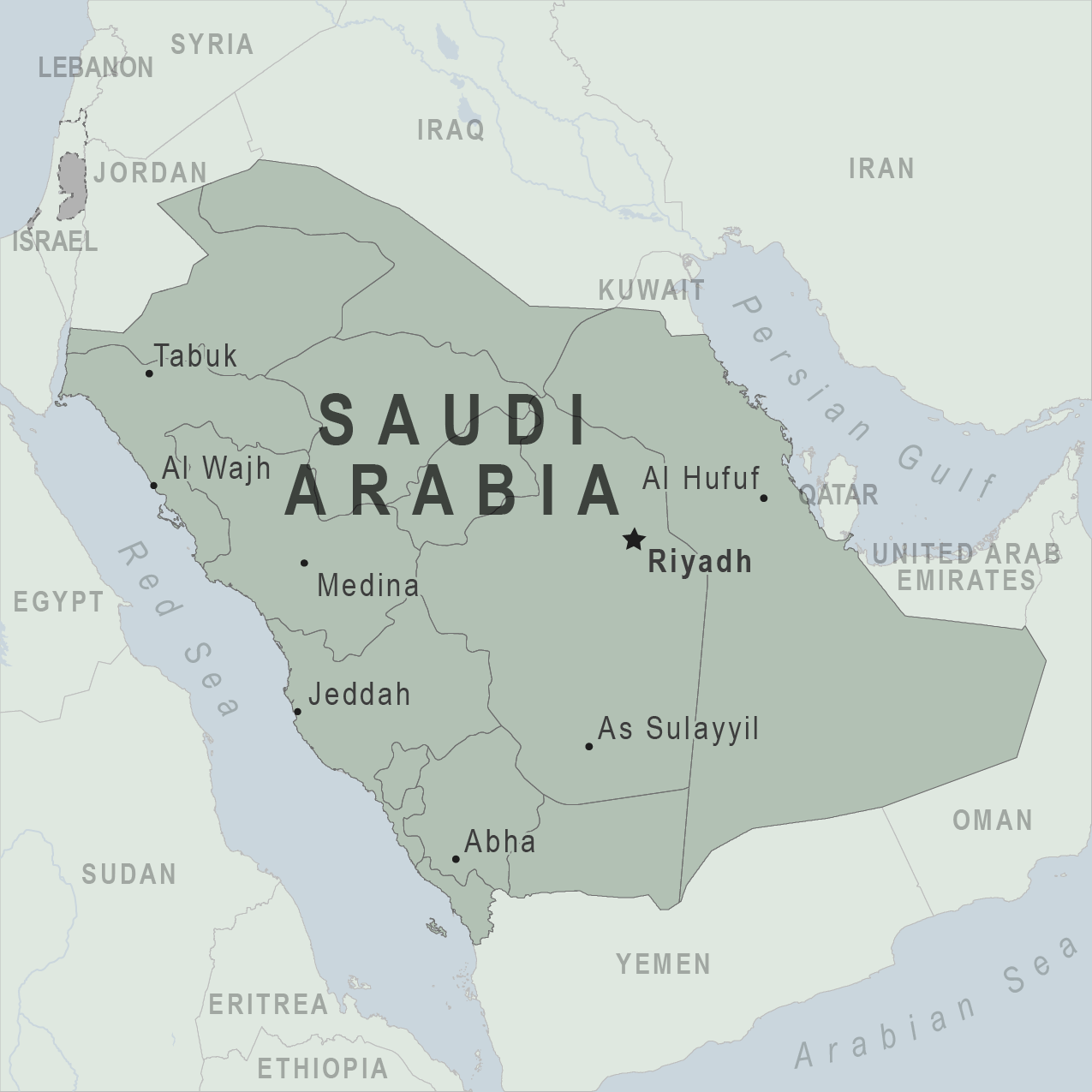
All travellers are no longer required to undergo any COVID tests or fill the Health Locator Form. Hong Kong added Japan, Portugal and Sweden to its travel restrictions while Uzbekistan said it would suspend flights with Hong Kong as well as South Africa. Japan, which had already barred all new foreign entrants, reported its second case of the new variant and said it would expand its entry ban to foreigners with resident status from 10 African countries.
Travelbans.org provides access to measures and global travel restrictions taken by governments. Our information includes country travel restrictions, flight restrictions, the requirement of COVID- 19 certificates, quarantine measures and vaccination. As much as possible, we provide a link to the resource on the respective website. Although we do our best to keep the information updated as it is reported.

The information shown is for guidance only since the situation is rapidly evolving. Authorities in Jordan have scrapped almost all restrictions, except requiring vaccination certificates to enter some buildings. Government spokesman Faisal Shboul said a negative PCR test result will no longer be needed to enter Jordan or attend gatherings such as concerts, parties and weddings.

From 1 March, the quarantine period for infected people will be reduced from one week to five days. Since Omicron, the new COVID-19 variant was declared by WHO, countries worldwide started closing their borders once again. The newly detected coronavirus variant has forced few countries to impose border control measures. Just while many were beginning to reopen to foreign travel, nations now are imposing travel bans to curb the spread of the Omicron variant. Imposed an entry ban on all non-residents and foreign nationals from China, Iran, Italy, and South Korea, effective February 28 . Previously, Saudi had said that expats who are stranded abroad due to the current travel restrictions will have their residence permits extended until August 31 automatically and for free.

Apart from residents, the validity of visit visas for visitors who are in the countries from where entry is suspended will also be extended until August 31. Due to this delay, vaccination appointments for those who registered on the Saudi national database, have had to be rescheduled. Around 700,000 people had registered on the database to receive the vaccine. The Saudi ministry therefore took the decision to delay the reopening of international flights so that the country's residents would have more time to receive vaccines and develop immunity. The ministry source said that it will continue applying the exemptions issued earlier with regard to quarantine for some categories of travelers.

After Thursday's decision to allow direct entry from six countries, the remaining countries that are still facing the travel ban are Turkey, Ethiopia, Afghanistan and Lebanon. Most passengers are required to provide a negative result of an RT-PCR test taken no more than 48 hours before departure, regardless of their vaccination status. All arrivals will undergo a PCR test upon arrival at the airport. Some passengers will need to undergo a COVID-19 test to end their quarantine. Non-vaccinated foreigners must stay at a 'Safe and Secure' certified, Level 1 hotel or other certified hotels for 7 days after arrival, during which they may be allowed to visit approved tourist sites under safety measures. Vaccinated travellers don't need to stay at these hotels or quarantine.

Rules vary for citizens, residents, children of different ages and some other categories. Quarantine rules depend on the vaccination status of passengers. Fully vaccinated individuals are no longer required to quarantine. Meanwhile, unvaccinated passengers or those who have received only one vaccine dose are required to quarantine for 7 days.

Bosnian nationals and citizens of Croatia, Serbia and Montenegro arriving from their country of nationality and some other categories are exempt. Nationals of the Philippines, their spouses & children and other categories are allowed entry, subject to some conditions. Fully vaccinated tourists coming from countries eligible for visa-free entry, such as Saudi Arabia and UAE, are now allowed to enter without the need to quarantine.

Unvaccinated travellers, other than the mentioned eligible categories, are not allowed to enter. However, Davao city has lifted all entry requirements for tourists. No quarantine or isolation is expected as long as a proof of vaccination or the pre-travel PCR test result is presented. However, 5 days of self-isolation is applicable for unvaccinated Georgian nationals who do not present the negative pre-travel PCR test. The mentioned self-isolation period will no longer apply from 28 March.


No comments:
Post a Comment
Note: Only a member of this blog may post a comment.